Creatine: Benefits, Dosage, and Who Should Avoid It
Discover how creatine can enhance performance, the optimal dosage to consider, and who should steer clear of it.
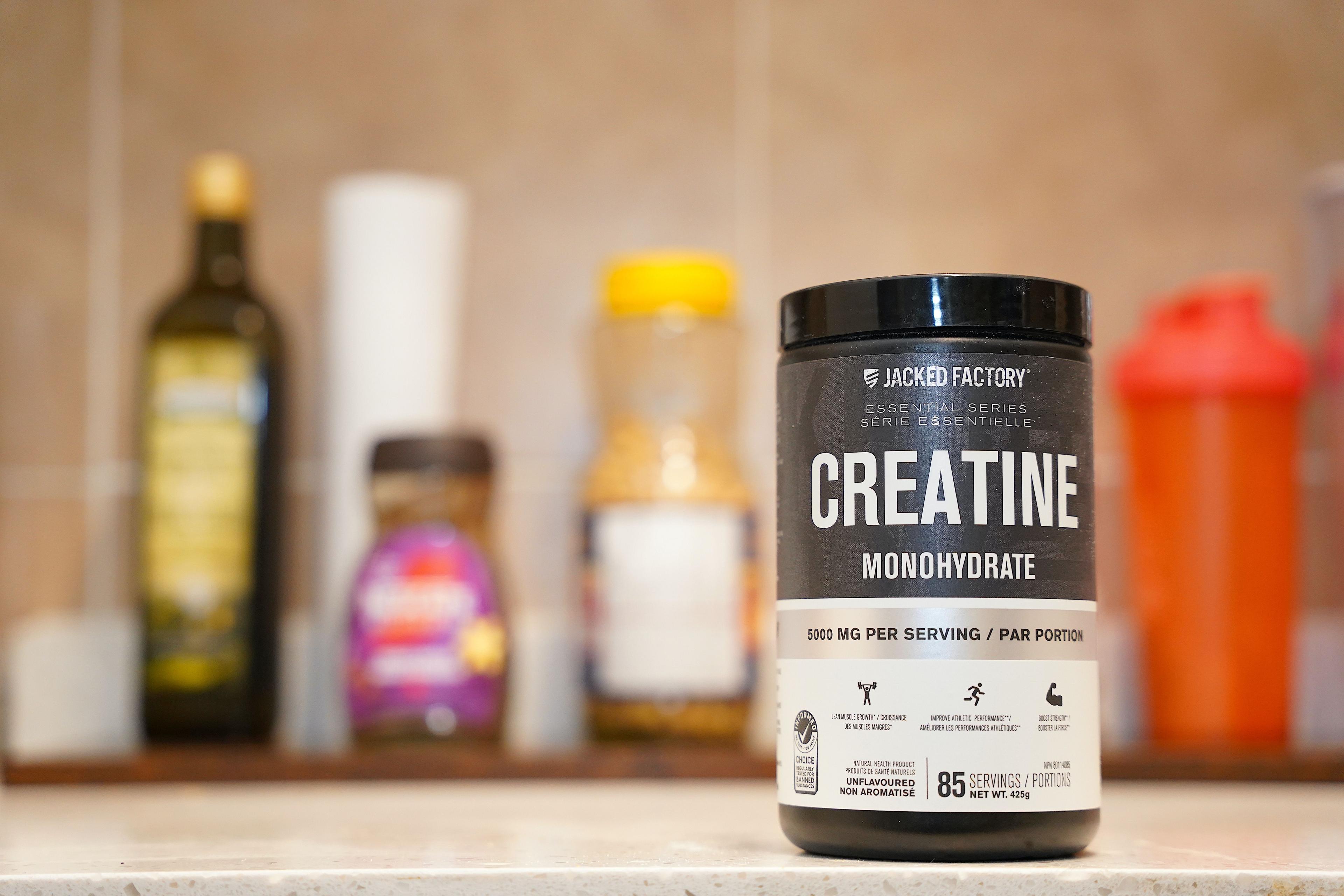
Creatine has long been a staple in the fitness community, known for its ability to enhance athletic performance and support muscle growth. But what exactly is creatine, how does it work, and who should consider using it? In this article, we'll unpack the benefits of creatine, discuss recommended dosages, and identify any groups that might want to avoid it. Whether you're an athlete looking to boost your performance or a fitness enthusiast curious about nutritional supplements, this guide will provide you with the information you need to make an informed decision.
What is Creatine?
Creatine is a naturally occurring compound found primarily in muscle cells. It's synthesized in the body from amino acids, specifically arginine, glycine, and methionine. Creatine plays a crucial role in the production of adenosine triphosphate (ATP), which is the energy currency of the cell. When you perform high-intensity exercises, your body relies on ATP for quick bursts of energy, making creatine particularly beneficial for activities like weightlifting and sprinting.
Benefits of Creatine
Creatine is popular among athletes and fitness enthusiasts for several reasons:
- Improved Exercise Performance: Numerous studies have shown that creatine supplementation can enhance performance in high-intensity, short-duration activities. This includes weightlifting, sprinting, and sports that require quick bursts of energy.
- Increased Muscle Mass: Creatine promotes muscle growth by increasing water content in muscle cells and enhancing the effects of resistance training. This can lead to greater muscle size and strength over time.
- Faster Recovery: Some research suggests that creatine may help reduce muscle cell damage and inflammation after intense workouts, allowing for quicker recovery between training sessions.
- Cognitive Benefits: Emerging studies indicate that creatine may have neuroprotective properties and could potentially improve cognitive function, particularly in those experiencing mental fatigue.
How Much Creatine Should Be Consumed?
The appropriate dosage of creatine can vary based on individual goals and body weight. Here's a general guideline:
Loading Phase (Optional)
Some individuals opt for a loading phase to saturate their muscles with creatine more quickly:
- For 5-7 days, consume 20 grams per day, divided into four 5-gram doses.
Maintenance Phase
After the loading phase, or for those who prefer to skip it:
- Take 3-5 grams daily to maintain muscle saturation.
It's essential to stay hydrated while supplementing with creatine, as it draws water into your muscles. Always consult with a healthcare provider before starting any supplement regimen, especially if you have pre-existing health conditions.
Who Should Avoid Creatine?
While creatine is generally considered safe for most healthy adults, there are certain populations who should exercise caution:
- Individuals with Kidney Issues: Those with pre-existing kidney conditions should avoid creatine supplementation, as it can put extra stress on the kidneys.
- Individuals Under 18: While research is limited, it is generally advised that adolescents should avoid creatine unless prescribed by a healthcare professional.
- Pregnant or Nursing Women: Safety during pregnancy and breastfeeding has not been established, so it's best to avoid supplementation during these periods.
How to Incorporate Creatine into Your Routine
If you decide to include creatine in your fitness regimen, here are some practical tips:
- Timing: Creatine can be taken at any time of day, but many prefer to take it post-workout with a source of carbohydrates to enhance absorption.
- Mixing: Creatine can be mixed with water, juice, or your post-workout shake. Avoid mixing it with hot liquids, as heat can degrade its effectiveness.
- Consistency: For optimal results, make creatine a consistent part of your daily routine, even on rest days.
Habbeat Takeaway
Creatine can be a powerful ally for enhancing athletic performance and supporting muscle growth when used correctly. Understanding the benefits, proper dosage, and potential contraindications is essential for making the most of this supplement. As with any nutritional supplement, it's wise to consult with a healthcare professional before beginning, particularly if you have any underlying health concerns. By incorporating creatine wisely, you can unlock new levels of performance and support your fitness journey effectively.