Oats: A Smart Choice for Glycemic Control in Adolescents with Type 1 Diabetes
Discover how integrating oats into the diet can enhance glycemic control for adolescents with type 1 diabetes.
Managing Type 1 diabetes in adolescents presents unique challenges, particularly when it comes to diet and glycemic control. With the right nutritional choices, it’s possible for young individuals to lead healthier lives while effectively managing their blood sugar levels. One superfood that has garnered attention is oats. This article delves into the benefits of oats, particularly for adolescents with Type 1 diabetes, and how they can be integrated into daily meals.
Understanding Glycemic Control
Glycemic control refers to the management of blood sugar levels, which is crucial for those with Type 1 diabetes. Adolescents often experience fluctuating blood sugar levels due to growth and hormonal changes, making effective dietary choices even more critical. Foods that have a low glycemic index (GI) can help stabilize blood sugar levels, and this is where oats shine.
The Benefits of Oats
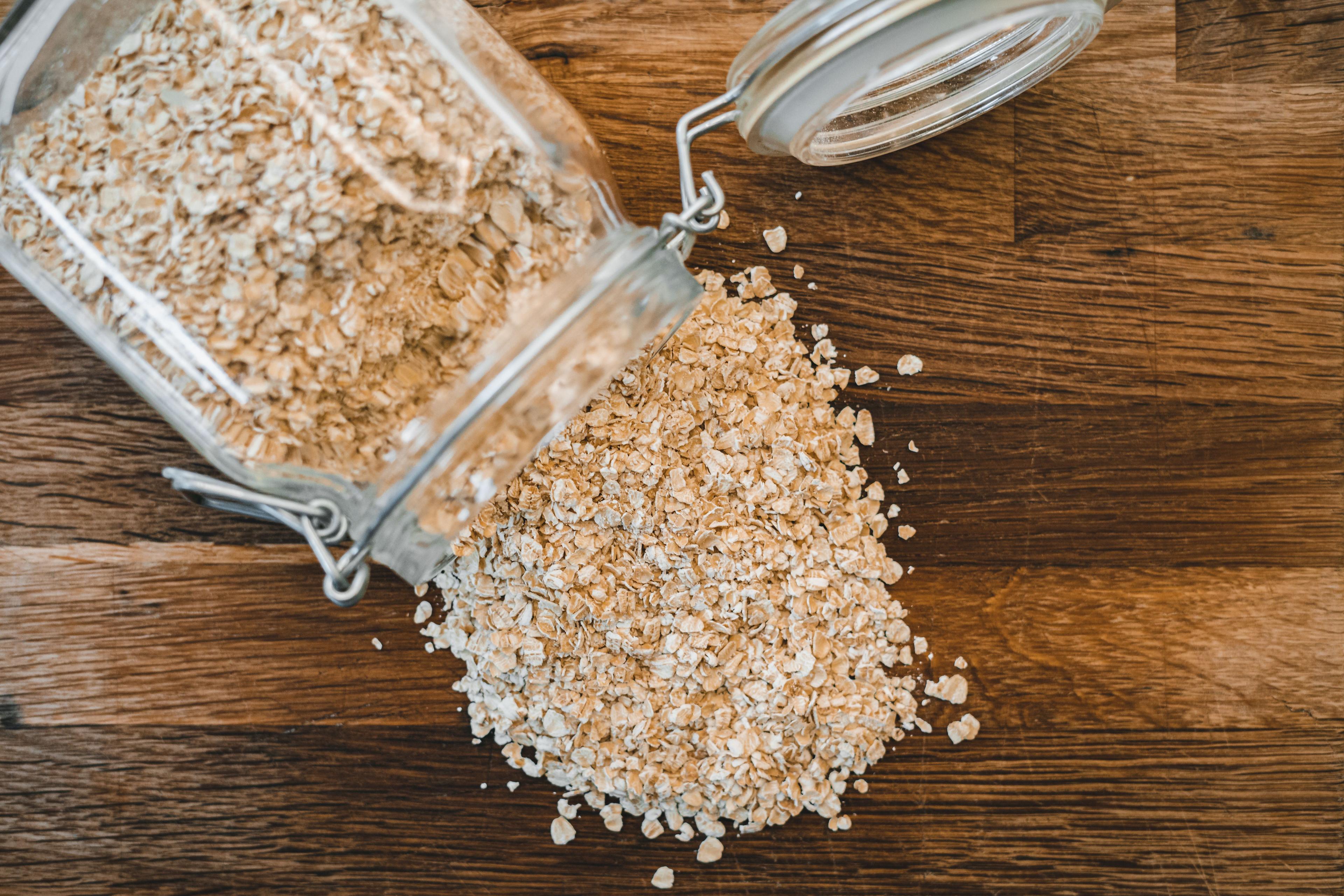
Oats are a whole grain, rich in fiber, particularly beta-glucan, which has been shown to slow digestion and the absorption of carbohydrates. This will help in preventing rapid spikes in blood glucose levels. Here are some key benefits of oats:
- Low Glycemic Index: Oats have a low to medium GI, which means they lead to a slower rise in blood sugar after meals.
- Rich in Fiber: The soluble fiber in oats can help improve insulin sensitivity and promote a feeling of fullness, which is beneficial for maintaining a healthy weight.
- Nutritious Profile: Oats are packed with essential vitamins and minerals, including magnesium, which plays a role in glucose metabolism.
Incorporating Oats into Daily Meals
For adolescents with Type 1 diabetes, incorporating oats into their meals can be a delicious and healthful choice. Here are some practical ways to add oats to daily diets:
1. Oatmeal Breakfast Bowl
Start the day with a warm bowl of oatmeal. Prepare it with water or unsweetened almond milk and add toppings like nuts, seeds, and berries. This not only enhances flavor but also boosts nutritional content.
2. Overnight Oats
Overnight oats are an easy, no-cook solution. Combine rolled oats with yogurt, a dash of honey or maple syrup, and favorite fruits in a jar. Let it sit overnight in the fridge for a convenient breakfast.
3. Oat-based Snacks
Make healthy snacks by preparing oat bars or energy bites. Mix oats with peanut butter, honey, and chocolate chips for a satisfying treat that maintains energy levels.
4. Adding to Smoothies
For a refreshing drink, blend oats into smoothies. This adds a creamy texture and provides additional fiber without altering the taste significantly.
Monitoring Blood Sugar Levels
When introducing oats into the diet, it’s essential for adolescents to monitor their blood sugar levels closely. Each person may respond differently, so keeping track of how their blood sugar reacts to different meals will help in making informed decisions. Consulting with a healthcare provider or a registered dietitian can provide personalized advice and support.
Habbeat Takeaway
Oats can be a beneficial addition to the diet of adolescents managing Type 1 diabetes. Their low glycemic index and high fiber content make them an excellent choice for improving glycemic control. However, it’s important to listen to one’s body, monitor blood sugar levels, and consult with professionals for personalized dietary advice. By making smart food choices, adolescents can not only manage their diabetes effectively but also enjoy delicious meals!